Diocese of Hereford Multi-Academy Trust
Our Family of Academies

Our Family of Academies
St Thomas CantilupeChurch of England Primary School
How we teach reading
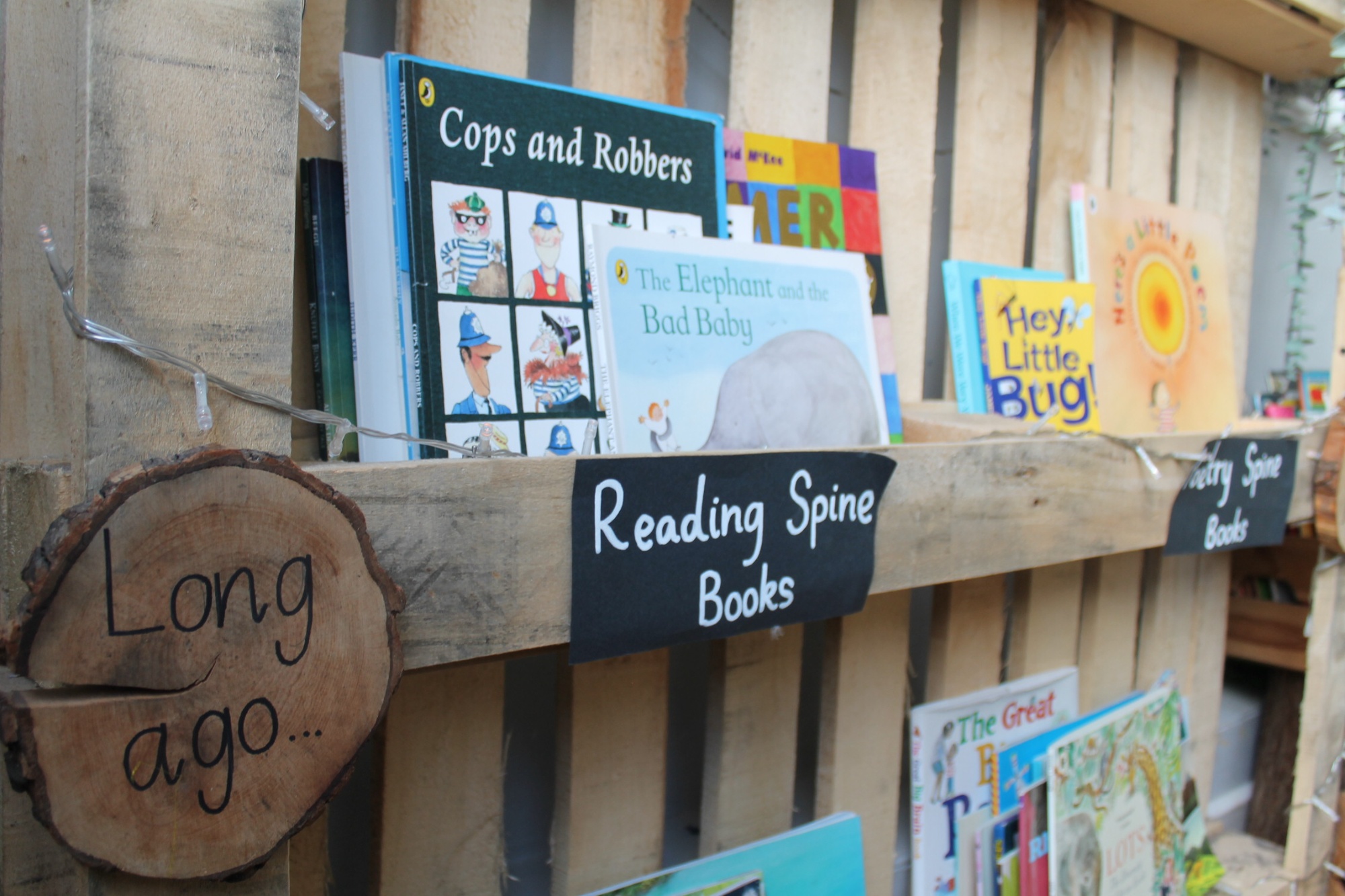
In EYFS and Key Stage 1, children follow a phonics scheme called Little Wandle. Daily, systematic phonics teaching ensures that every child builds strong early reading skills. Children read fully decodable books that are precisely matched to their phonics stage, first in small, focused guided reading groups and then at home with their families. We place great importance on reading at home, as regular practice embeds new sounds, builds fluency and expression, and helps children develop confidence. We encourage families to value the books we send home, as these texts are carefully chosen to align with what children are learning in school and are a vital part of the reading journey.
Letters and Sounds | A complete Phonics resource to support children
Once children have completed the Little Wandle phonics programme and are secure in their decoding skills, they move on to library colour‑banded books. These books are carefully matched to each child’s reading level and offer increasing challenge and variety. Moving to colour‑banded books also gives children the opportunity to visit the school library regularly and make more independent choices about what they read. This independence helps them develop a sense of ownership over their reading, discover new interests, and build positive habits as enthusiastic readers. Staff and families use Boom Reader to log children’s reading, creating an ongoing communication link between home and school about progress, enjoyment, and any support needed.
In Year 1, all children in England take part in the Phonics Screening Check, a short, one‑to‑one assessment that helps teachers understand how well each child can use their phonics knowledge to read words. The check includes real and pseudo (nonsense) words so children must rely on their phonic skills rather than memory. We value this assessment because it gives us important information about each child’s early reading progress and helps us identify anyone who may need additional support. Children who do not pass the Year 1 Phonics Screening Check continue to receive high‑quality phonics teaching in Year 2, ensuring that no child is left behind. For pupils joining our school mid‑year or for those who require additional support beyond Year 2, we use the Little Wandle Rapid Catch-Up programme. This provides targeted, short‑term intervention that closes gaps efficiently and ensures children quickly gain the reading foundations they need.
Rapid Catch-up | Letters and Sounds
From Key Stage 2, our teaching of reading focuses on developing deeper comprehension skills. Across Years 3 to 6, we use Complete Comprehension, a structured programme that builds understanding of vocabulary, inference, retrieval, prediction, and authorial intent. Alongside this, we operate a whole‑school approach called Just Reading. During these sessions, teachers read high‑quality, demanding novels aloud to their classes simply for the joy of reading. Every child has their own copy of the book so they can follow the story closely and fully immerse themselves in the text. These carefully chosen novels expose children to rich language and a wide range of authors and genres, modelling fluent reading and deepening their understanding. The result is a powerful shared reading culture where children experience stories deeply, make meaningful connections, and develop a genuine love of reading.
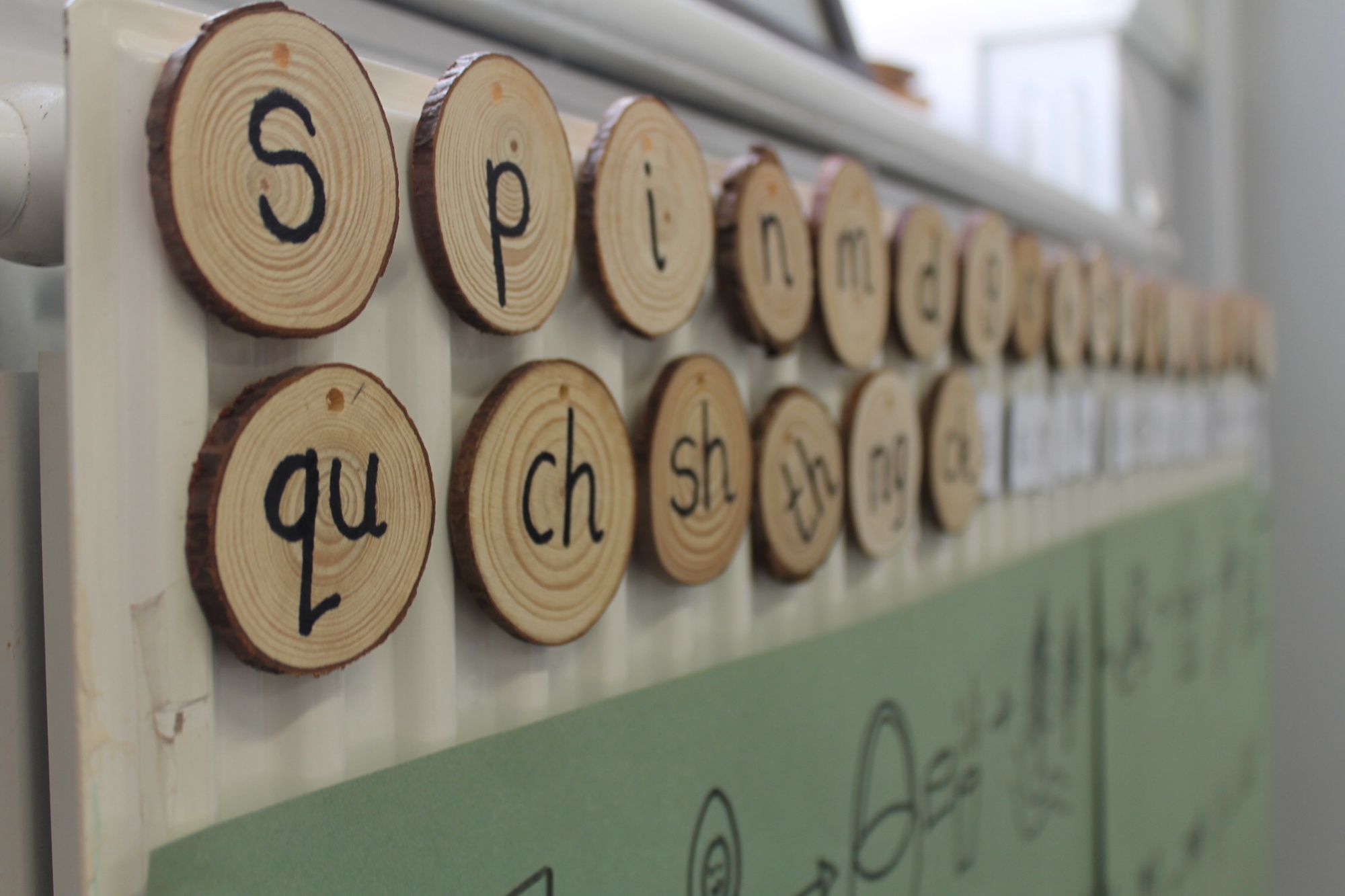
Every classroom at St Thomas Cantilupe has a welcoming reading corner where children can enjoy a range of books and discover new authors. Each class also uses key fiction, non-fiction and poetry texts from the Pie Corbett Reading Spine as whole‑class reads. These carefully chosen books expose children to rich language, memorable stories, and a strong diet of high‑quality literature.
Our whole‑school approach is strongly informed by the work of Mary Myatt, particularly her emphasis on using rich, challenging texts across the curriculum. Myatt highlights that children thrive when they encounter “high challenge, low threat” learning—where they are trusted with ambitious material and supported to access it. By incorporating rich literature into subjects such as history, geography, and science, we deepen knowledge, strengthen disciplinary vocabulary, and give children meaningful, memorable content to think about. This aligns with our belief that every child deserves access to beautiful, well‑written texts that help them make sense of the world.
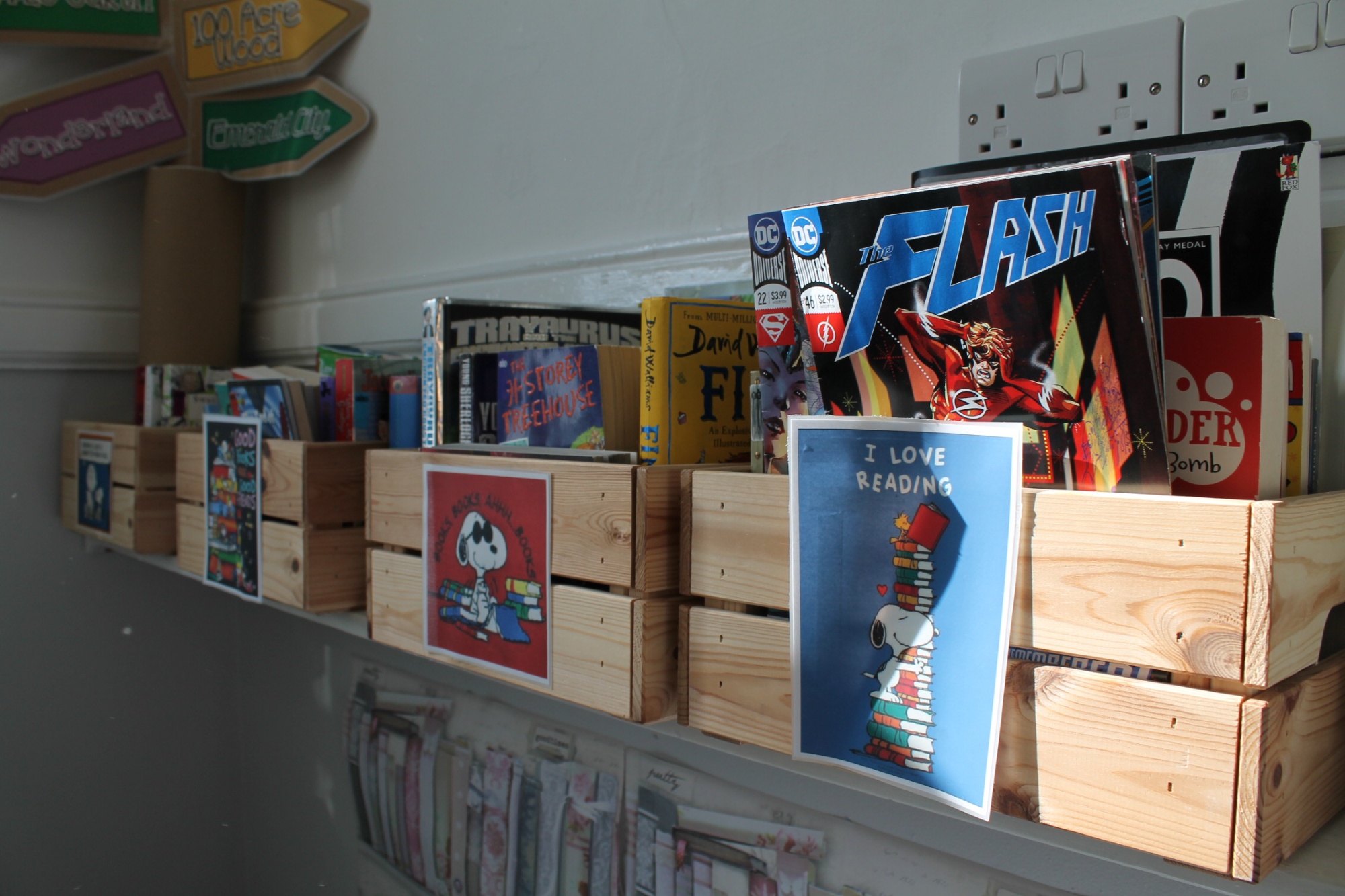
At St Thomas Cantilupe Primary School, our reading provision is carefully designed to ensure that all children—regardless of starting point—develop the technical skills, confidence, and enthusiasm needed to become lifelong readers.
St Thomas CantilupeChurch of England Primary School
Contact Us
St Thomas Cantilupe Church of England Primary School, Coningsby Street, Hereford, Herefordshire, HR1 2DY